Vietnamese Drip Coffee Brewing Pattern: A Design Resource Guide
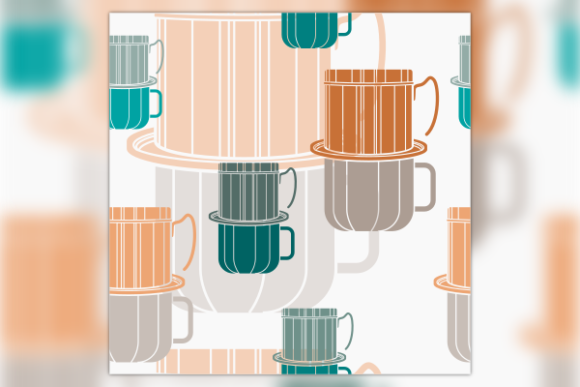
The global appreciation for coffee has expanded far beyond the standard espresso and pour-over methods, creating a demand for authentic cultural representations in design. One such representation is the Vietnamese Drip Coffee Brewing Pattern. This specific design asset combines the iconic imagery of Vietnamese coffee culture—featuring the traditional metal phin filter, glass mugs, and roasted beans—into a seamless vector illustration. For graphic designers, textile manufacturers, and branding specialists, this pattern offers a versatile tool to evoke the warmth and tradition of Southeast Asian coffee heritage.
This guide evaluates the utility of the Vietnamese Drip Coffee Brewing Pattern as a design element. It explores the characteristics of the asset, the technical advantages of using vector formats, and practical considerations for integrating these visuals into various projects. Whether you are designing merchandise, digital backgrounds, or physical packaging, understanding the nuances of this resource will help you make informed decisions about its application.
Understanding the Asset: Composition and Visual Elements
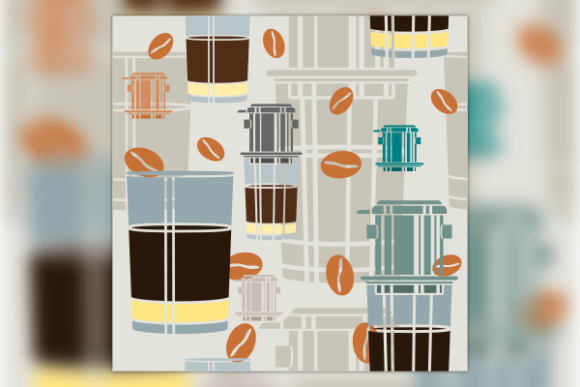
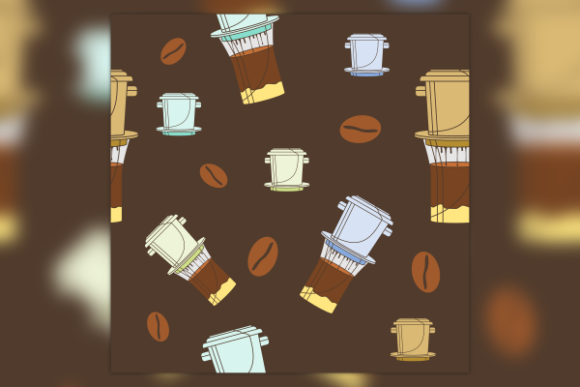
The core of the Vietnamese Drip Coffee Brewing Pattern lies in its ability to capture a specific moment in time within Vietnamese cafes. The illustration typically features a seamless arrangement of key components:
- The Glass Mug: Often depicted with condensation, representing the iced version of the drink (Cà phê sữa đá), which is a staple of daily life in Vietnam.
- The Phin Filter: The distinctive stainless steel drip filter that sits atop the mug, symbolizing the slow-brewing process essential to this style.
- Roasted Beans: Scattered throughout the design to emphasize the raw material and the roasting process, often highlighting dark roast varieties common in the region.
- Cultural Atmosphere: The overall aesthetic aims to convey the bustling yet relaxed atmosphere of a local coffee shop.
Unlike generic coffee patterns that may use simple icons, this specific pattern focuses on the brewing apparatus itself. This attention to detail makes it particularly effective for projects requiring authenticity rather than just a generic "coffee" theme.
Technical Advantages of Vector Formats
A critical factor in selecting this design resource is its format. The asset is provided as an Editable SVG vector, accompanied by EPS, PDF, and high-resolution PNG files. The choice of vector graphics over raster images (like standard JPEGs) offers significant benefits for professional applications.
Scalability and Resolution
Vector graphics are mathematically defined, meaning they can be scaled to any size without losing quality. If you intend to print the pattern on a large fabric roll or reduce it for a small business card, the lines remain crisp. This eliminates the pixelation issues common with bitmap images when enlarged.
Editability with Inkscape
The inclusion of the SVG file allows users to open the design in free software like Inkscape. This capability transforms the asset from a static image into a flexible template. Users can modify colors to match brand guidelines, rearrange elements, or isolate specific components like the glass mug or the beans. This level of control is essential for customizing designs for specific market needs.
File Versatility
The ZIP package containing EPS and PDF files ensures compatibility with industry-standard software such as Adobe Illustrator and Photoshop. The high-resolution PNG serves as a fallback for web use where vector support might be limited, ensuring the visual integrity remains intact across different platforms.
Practical Applications and Use Cases
The versatility of the Vietnamese Drip Coffee Brewing Pattern allows it to fit into a wide array of creative industries. Below are the primary scenarios where this asset provides the most value.
Textile and Fabric Design
Seamless patterns are the foundation of textile printing. Because the pattern repeats without visible breaks, it is ideal for creating fabrics for clothing, scarves, or home decor items like tablecloths and curtains. The cultural motif appeals to consumers interested in travel, culinary arts, or ethnic fashion. The vector format ensures that the print quality remains sharp regardless of the fabric's texture or the scale of the production run.
Packaging and Merchandising
For businesses selling coffee products, the packaging is a crucial marketing tool. Using this pattern on coffee bags, tea boxes, or promotional merchandise (such as mugs and tote bags) immediately communicates the product's origin and style. It helps differentiate a brand by associating it with the rich tradition of Vietnamese coffee culture.
Event Invitations and Stationery
The aesthetic of this pattern lends itself well to invitations for coffee tasting events, cultural festivals, or cafe openings. The intricate details of the brewing equipment add a sophisticated touch to cards and menus. When printed on high-quality paper, the design creates a tactile and visual experience that aligns with the sensory nature of coffee consumption.
Digital Backgrounds and Decorative Elements
In the digital realm, the pattern can serve as a background for websites, social media posts, or digital presentations. Its ability to be tiled seamlessly makes it perfect for web headers or blog post backgrounds. Additionally, individual elements extracted from the vector file can be used as decorative icons in UI/UX design or as overlays in video content related to food and beverage.
Evaluation: Benefits and Considerations
While the Vietnamese Drip Coffee Brewing Pattern offers numerous advantages, potential users should weigh specific factors before committing to its use in a project.
Key Benefits
- Cultural Authenticity: It moves beyond clichés to depict the actual tools used in Vietnamese brewing, adding credibility to the design.
- Cost-Effectiveness: Owning the editable source files reduces the need for multiple revisions or hiring a designer to recreate similar imagery from scratch.
- Adaptability: The ability to change colors via Inkscape allows for easy integration into existing brand color palettes without needing a new illustration.
Tradeoffs and Limitations
Skill Requirement: While the files are accessible, fully utilizing the editable features requires some familiarity with vector editing software like Inkscape. Users unfamiliar with path manipulation or layer management may find the learning curve steeper than simply applying a pre-made image.
Style Specificity: The pattern has a distinct illustrative style. If a project requires a minimalist, flat, or highly abstract look, this detailed, realistic-style pattern might feel too busy or traditional. It is best suited for designs that aim to celebrate tradition or offer a classic aesthetic.
Color Constraints: Unless the user edits the vector file, the original color scheme is fixed. Relying on the default colors without modification could result in a design that clashes with other elements of a larger layout.
Decision-Making Framework
To determine if the Vietnamese Drip Coffee Brewing Pattern aligns with your goals, consider the following decision points:
- Define the Objective: Are you aiming to evoke a sense of place and tradition? If yes, this pattern is a strong fit. If you need a neutral background, the detailed imagery may be distracting.
- Assess Technical Needs: Do you require scalability for large-scale printing? The vector format makes this a superior choice over raster alternatives.
- Evaluate Customization: Do you have the capacity to edit the SVG file? If you need specific color variations, having access to the source code in Inkscape is essential.
- Consider Alternatives: If your project targets a modern, futuristic coffee brand, a more abstract geometric pattern might be more appropriate. However, for artisanal, organic, or heritage-focused brands, this pattern is likely the optimal choice.
Conclusion
The Vietnamese Drip Coffee Brewing Pattern represents more than just a graphic; it is a bridge between digital design and cultural heritage. By providing high-quality, editable assets in multiple formats, it empowers creators to produce authentic and professional designs for textiles, packaging, and digital media. While it requires a basic understanding of vector editing to maximize its potential, the flexibility it offers makes it a valuable addition to any design toolkit focused on coffee culture. For those seeking to honor the traditions of Vietnamese brewing while maintaining high production standards, this resource provides a robust and adaptable solution.