The Ultimate Guide to Striped Colorful Star Backgrounds for Creative Projects
In the vast universe of digital design and print media, few elements capture attention quite like a striped colorful star. This unique combination of geometric precision and vibrant energy has evolved from a simple decorative motif into a powerful tool for designers, marketers, and educators. Whether you are looking to create a stunning wallpaper, design a modern business card, or develop a creative concept for a fashion brand, understanding the versatility of this pattern is essential.
This article explores the significance of striped colorful stars in contemporary design, breaking down why they are so effective and how you can utilize them in your own work. We will delve into the technical aspects of file formats like AI, EPS, SVG, JPG, and PNG, ensuring you have everything you need to bring these designs to life.
What Makes a Striped Colorful Star Pattern So Special?
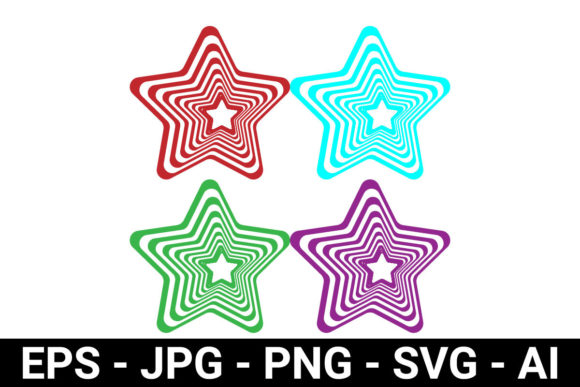
At first glance, a star might seem like a straightforward shape, but when combined with stripe patterns and a colorful palette, it transforms into something dynamic. The star itself is a symbol of excellence, guidance, and celebration. However, the addition of stripes introduces movement, rhythm, and texture. Instead of a flat, solid shape, the zigzag or wave lines within the star create an optical effect that draws the eye and adds depth to any composition.
This design element is not just about aesthetics; it is about psychological impact. The use of geometric shapes appeals to our innate desire for order, while the rainbow or multi-colored nature of the stripes stimulates creativity and excitement. This duality makes the striped colorful star perfect for a wide range of applications, from minimalist art pieces to bold graphic overlays.
The Intersection of Simplicity and Complexity
One of the most fascinating aspects of this pattern is its ability to be both simple and complex. On one hand, the structure is based on basic geometry—a five-pointed star. On the other, the internal detailing requires careful consideration of color theory and line weight. This balance allows the design to function as a subtle decorative background or as a dominant element in a poster.
When we talk about isolated illustrations, we refer to placing this star against a clean backdrop, often white or transparent. This technique highlights the intricate details of the radial symmetry and the repeat capability of the pattern. It is a testament to how modern design values clarity and focus.
Practical Applications in Modern Life and Business
The utility of a striped colorful star extends far beyond mere decoration. In today's fast-paced digital world, visual communication is key. Here is how this versatile asset fits into various sectors:
- Digital Marketing and Web Design: A seamless pattern of colorful stars can serve as an engaging backdrop for landing pages. It breaks up text-heavy content without overwhelming the user. When used as a wallpaper for mobile devices, it offers a personalized touch that reflects a playful yet organized personality.
- Fashion and Textiles: The fabric industry loves patterns that repeat well. The striped nature of the star allows it to tile effortlessly, creating continuous prints for clothing, scarves, or accessories. The colorful aspect ensures the garment stands out in a crowded market.
- Education and Print Media: Teachers often look for creative ways to engage students. Using illustration assets like this for worksheets, certificates, or classroom decor can make learning materials feel less rigid and more fun. The ornament quality of the star adds a festive touch to educational projects.
- Event Planning and Stationery: From card designs for birthdays to invitations for corporate events, the abstract nature of the star provides a neutral yet exciting theme. It works equally well for a child's birthday party and a modern tech conference.
Understanding File Formats: Why ZIP Matters
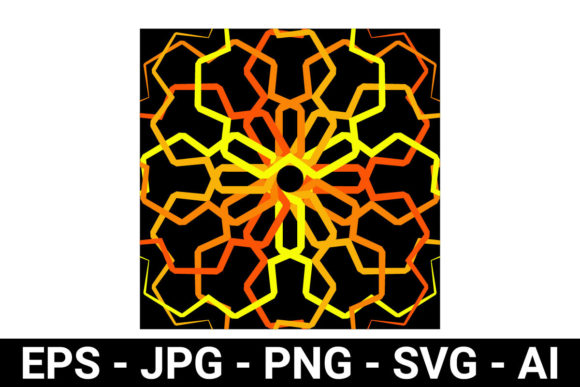
When you acquire a high-quality design resource, such as a ZIP folder containing a striped colorful star, the variety of file formats included is crucial. Each format serves a specific purpose depending on your workflow and output requirements.
Vector Files: AI, EPS, and SVG
If you are working on large-scale prints or need to scale your design without losing quality, vector files are non-negotiable. Formats like AI (Adobe Illustrator), EPS (Encapsulated PostScript), and SVG (Scalable Vector Graphics) define shapes using mathematical equations rather than pixels.
This means you can resize a star from the size of a postage stamp to the side of a billboard, and the lines, colors, and shapes will remain perfectly crisp. For designers who need to edit the decoration, remove the stripe layers, or change the color scheme, these vector files are indispensable. They represent the concept at its purest form.
Raster Files: JPG and PNG
For web usage, social media posts, or quick previews, raster images like JPG and PNG are ideal. These files are made of pixels and are ready to upload immediately. A PNG file is particularly useful because it supports transparency, allowing the isolated star to blend seamlessly over any background image. While they cannot be scaled infinitely without losing quality, they are optimized for screen viewing and offer a realistic preview of the final art.
Mastering the Art of Repetition and Layout
A key feature mentioned in many design descriptions is the seamless nature of the pattern. But what does that actually mean? A seamless pattern is designed so that when you place copies of it next to each other, there are no visible edges or breaks. This creates an infinite field of geometric shapes.
When designing with a striped colorful star, consider the repeat density. A tight repeat creates a busy, energetic texture suitable for backgrounds. A loose repeat leaves more negative space, making the star the hero of the design. This flexibility is why these assets are considered minimalist yet rich in detail.
Furthermore, the zig zag or wave lines inside the star can be manipulated to create different moods. Vertical stripes might suggest stability, while diagonal stripes imply motion and speed. Understanding these nuances helps you choose the right variation for your project.
Common Misconceptions About Graphic Patterns
Many beginners assume that using a colorful pattern means the design must be chaotic or loud. However, true modern design often relies on restraint. A striped colorful star can be highly sophisticated if the color palette is curated correctly. For instance, using analogous colors (colors next to each other on the color wheel) creates a harmonious look, whereas complementary colors (opposite on the wheel) create high contrast.
Another misconception is that these patterns are only for children's themes. While they are certainly popular in kids' decor, the abstract and geometric nature of the shape makes it equally relevant in adult-oriented spaces, such as modern offices, tech startups, and fashion boutiques. The key is in the execution—choosing the right saturation and brightness levels.
How to Integrate This Asset Into Your Workflow
To get the most out of your striped colorful star resources, follow these steps:
- Select the Right Format: Start with the vector file (AI, EPS, or SVG) if you plan to edit the design. If you just need to place it in a layout, a PNG with transparency is faster.
- Experiment with Overlays: Try placing the star over a photograph to add a layer of texture and interest. Adjust the opacity to create a wave effect.
- Create Custom Textures: Use the seamless version to fill the entire background of a document. Then, overlay text or other elements to create a cohesive graphic design.
- Print Testing: Always test your print files by printing a small sample. Check how the color translates from screen to paper, as RGB screens differ from CMYK printers.
Conclusion: Elevate Your Creativity
The striped colorful star is more than just a pretty picture; it is a versatile design tool that bridges the gap between simple geometry and complex artistic expression. Whether you are creating a wallpaper for your phone, a card for a special occasion, or a fabric print for a new clothing line, this pattern offers endless possibilities.
By understanding the different file formats available in a ZIP folder and mastering the principles of repetition and color, you can unlock the full potential of this design element. Embrace the modern aesthetic, experiment with ornamental details, and let the abstract beauty of the star inspire your next creative project. With the right approach, even the smallest element can make the biggest impact.