The Artistic Renaissance of Blue Bindweed in Modern Digital and Physical Design
In an era where digital saturation often leads to visual fatigue, the design community is witnessing a significant shift toward organic authenticity. At the forefront of this movement is the Blue Bindweed, a botanical motif that has transcended its status as a simple garden flower to become a cornerstone of contemporary vector floral seamless patterns. For professionals, creators, and entrepreneurs alike, understanding the resurgence of this specific aesthetic is not merely about following a trend; it is about recognizing a fundamental change in how consumers connect with brands and environments.
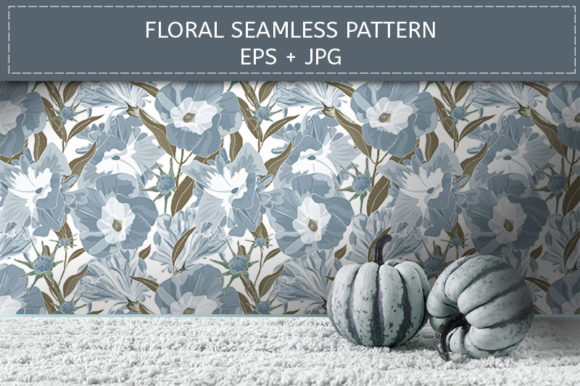
The current landscape of creative work demands assets that are versatile, high-fidelity, and deeply evocative. The introduction of a Blue Bindweed and Vector floral seamless pattern featuring blue flowers and petals of bindweed paired with olive sprigs and leaves addresses these needs perfectly. This combination offers a sophisticated balance between wild, untamed beauty and structured elegance, making it ideal for decorative design on any surface, fabric, cards, and banners.
Decoding the Aesthetic: What Makes Blue Bindweed Unique?
To appreciate the utility of this design element, one must first understand the botanical character of the Blue Bindweed. Unlike the rigid symmetry of traditional formal gardens, bindweed represents resilience and natural flow. Its delicate blue petals and sprawling vines evoke a sense of meadow freedom, while the inclusion of olive sprigs introduces a touch of Mediterranean stability and timelessness.
When isolated on a white background, as seen in modern asset packages, these elements gain a clarity that allows them to function as standalone graphics or integrate seamlessly into complex layouts. The color palette is particularly strategic. The cool tones of the blue flowers provide a calming effect, which is increasingly sought after in user interface design and wellness branding, while the earthy olive greens ground the composition, preventing it from feeling too ethereal or detached.
This specific arrangement—blue flowers, petals of bindweed, olive sprigs, and leaves—is not random. It reflects a curated approach to nature that acknowledges the interconnectedness of flora. In a professional context, this translates to designs that feel intentional rather than cluttered. The seamless nature of the vector pattern ensures that whether applied to a large-scale banner or a small business card, the visual rhythm remains uninterrupted, preserving the integrity of the artistic vision.
The Convergence of Technology and Nature in Creative Workflows
The relevance of the Blue Bindweed pattern extends beyond mere aesthetics; it speaks to the evolving technological capabilities available to designers and marketers today. The availability of files in multiple formats, specifically EPS 10 and high-resolution JPG (6000x4000 px), signifies a bridge between legacy print workflows and modern digital requirements.
For freelancers and agencies managing diverse client portfolios, the ability to import a vector file into Adobe Illustrator is crucial. This format allows for infinite scalability without loss of quality. A designer can take a single Blue Bindweed asset and scale it up for a billboard or down for a mobile app icon, ensuring brand consistency across all touchpoints. Furthermore, the fact that these vector files are also imported into Photoshop as a 6000x4000 pixel JPG provides immediate utility for web designers who need rasterized images optimized for screen display without compromising resolution.
This dual-format capability addresses a growing pain point in the industry: the friction between print and digital production. As businesses move toward omnichannel marketing strategies, they require assets that perform equally well on physical packaging and digital screens. The Blue Bindweed seamless pattern, with its precise vector construction, eliminates the guesswork often associated with scaling graphics, thereby streamlining the workflow for creative teams.
Market Trends: Why Consumers Are Craving Organic Patterns
Why are people paying attention to this specific floral motif now? The answer lies in a broader consumer shift toward sustainability, mental well-being, and "slow living." In a post-pandemic world, there is a palpable desire for environments that feel nurturing and grounded. The Blue Bindweed, with its association with gardens and meadows, taps directly into this psychological need.
Marketing data suggests that consumers are more likely to engage with brands that utilize natural imagery and earthy tones. These elements subconsciously signal transparency, health, and reliability. When a company uses a Blue Bindweed pattern on their fabric line or greeting cards, they are communicating a value proposition that goes beyond the product itself. They are offering a lifestyle—a connection to nature that is often missing in urban settings.
This trend is not limited to niche artisanal markets. Mainstream industries are adopting these aesthetics to differentiate themselves. Fashion retailers are using floral seamless patterns to create collections that feel timeless rather than seasonal. Tech companies are incorporating organic motifs into their packaging to soften the hard edges of their hardware. The versatility of the Blue Bindweed design allows it to fit into almost any sector, provided the execution is thoughtful.
Practical Applications for Entrepreneurs and Creators
For the entrepreneur looking to launch a new product line or the marketer planning a campaign, the practical applications of this vector floral seamless pattern are vast. The ability to use these assets for decorative design on any surface opens up a multitude of revenue streams.
- Fabric and Textile Design: The seamless nature of the pattern makes it perfect for textile printing. Whether for home decor, fashion, or upholstery, the repeating motif of blue bindweed and olive sprigs creates a cohesive look that works well in both minimalistic and maximalist interiors.
- Stationery and Branding: Cards, banners, and invitations benefit immensely from the isolation of the flowers on a white background. This negative space allows text to breathe while the floral elements add a layer of sophistication. For corporate branding, this pattern can be used subtly in letterheads or presentation decks to humanize the brand identity.
- Digital Assets: With the high-resolution JPG included, these patterns serve as excellent backgrounds for websites, social media posts, and email newsletters. The 6000x4000 px resolution ensures that even on high-DPI displays, the texture of the petals and leaves remains crisp.
Moreover, the forward-looking nature of this design trend suggests longevity. Unlike fleeting pop-culture references, botanical themes have remained relevant for centuries. By investing in high-quality vector files like the Blue Bindweed pattern, creators are future-proofing their assets against rapid style obsolescence.
Adapting to Changing Expectations in Design
The shift toward using detailed, isolated botanical illustrations reflects a changing expectation among end-users. There is a growing intolerance for generic clip art and low-effort stock photography. Audiences demand authenticity and detail. They want to see the texture of the leaf, the gradient of the petal, and the intricate structure of the olive sprig.
This demand drives the need for high-quality vector files. Raster images often lose detail when resized, leading to pixelation that undermines the perceived value of a product. The EPS 10 format ensures that every curve of the Blue Bindweed is mathematically defined, allowing for precision that raster images simply cannot match. This technical superiority aligns with the professional standards expected by top-tier clients and discerning consumers.
Furthermore, the integration of these patterns into various surfaces highlights the importance of tactile experiences in a digital age. As we spend more time on screens, the value of physical products with beautiful, tangible designs increases. A card printed with a Blue Bindweed pattern or a fabric dyed with this seamless design offers a sensory experience that digital media cannot replicate. This duality is where the true power of modern design lies.
Conclusion: Embracing the Natural Flow of Innovation
The Blue Bindweed and Vector floral seamless pattern is more than just a collection of images; it is a tool for expression that bridges the gap between nature and technology. For professionals, creators, and entrepreneurs, it represents an opportunity to elevate their work through the use of high-quality, versatile, and meaningful design elements.
By leveraging the flexibility of EPS 10 vectors and the accessibility of high-resolution JPGs, designers can meet the diverse needs of the modern market. Whether creating a sustainable clothing line, a premium stationery brand, or a dynamic digital campaign, the inclusion of blue flowers and petals of bindweed with olive sprigs and leaves adds a layer of depth and emotion that resonates with audiences.
As we move forward, the intersection of creative insight and technical precision will define success. Those who embrace the organic beauty of the Blue Bindweed while utilizing the robust tools of vector design will find themselves at the forefront of this evolving landscape. The result is a body of work that is not only visually stunning but also strategically sound, ready to adapt to whatever the future holds.
In summary, the adoption of this specific floral motif is a smart, strategic decision for anyone looking to stand out in a crowded marketplace. It combines the timeless appeal of nature with the cutting-edge capabilities of digital design, offering a pathway to innovation that is both practical and inspiring.