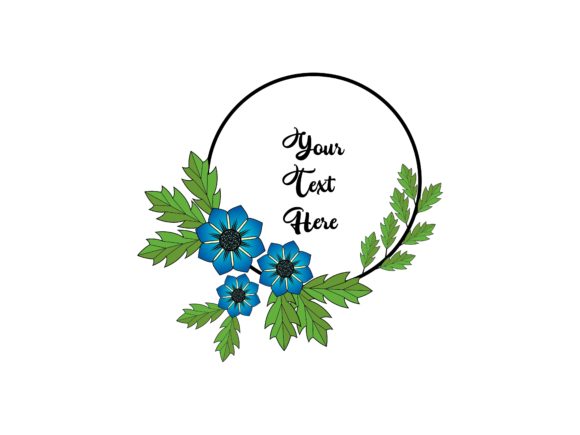
Flower and Leaf Circular Vector Logo: A Strategic Asset for Intentional Branding
In the crowded digital landscape, visual identity serves as the primary anchor for brand recognition. The Flower and Leaf Circular Vector Logo is not merely a decorative graphic; it is a versatile design element capable of conveying stability, growth, and organic connection. When integrated into a broader marketing or operational strategy, this specific asset transforms from a simple image into a functional tool that supports communication goals, enhances user experience, and reinforces brand positioning.
This resource includes high-resolution formats such as .eps, .png, and .jpg, ensuring scalability across various media. With a resolution of 300 dpi and a transparent background, the design offers the flexibility required for professional applications ranging from wedding invitations to corporate branding kits. Understanding how to leverage these technical specifications is essential for entrepreneurs and creators aiming to achieve long-term results without compromising quality.
The Strategic Value of Organic Design Elements
Why choose a floral motif over geometric abstraction? The answer lies in psychological association. Human beings have an innate connection to nature. The flower and leaf circular vector logo taps into subconscious perceptions of vitality, renewal, and harmony. For small business owners and freelancers, this visual language can instantly soften a brand's edge, making services feel more approachable and trustworthy.
However, strategic application requires moving beyond aesthetic preference. You must ask: does this symbol align with the core values of the organization? If your goal is to communicate precision and speed, a rigid geometric shape might be more appropriate. Conversely, if your objective is to highlight craftsmanship, sustainability, or emotional connection, the ornate details of a botanical wreath are highly effective. The circular frame itself suggests unity and completeness, creating a contained space that draws the viewer's eye inward, much like a vignette in traditional illustration.
When used correctly, this design element acts as a silent communicator. It sets the tone before a single word is read. In the context of planning and decision-making, selecting the right visual language is a critical step that influences customer perception and engagement rates.
Technical Specifications and Operational Efficiency
The utility of any digital asset is often determined by its technical robustness. The inclusion of multiple file formats within this collection addresses the diverse needs of modern operations. The EPS format is indispensable for print production and large-scale signage, allowing designers to scale the image infinitely without pixelation. This ensures that whether you are printing a business card or a billboard, the flower and leaf circular vector logo retains its crisp lines and intricate details.
For web and social media applications, the PNG version with a transparent background is crucial. It allows the logo to overlay seamlessly onto varied backgrounds, maintaining visual consistency across different platforms. The JPG option provides a standard, compressed format suitable for quick sharing or email campaigns where transparency is not required.
- Scalability: Vector formats ensure the design remains sharp at any size, reducing the need for constant re-creation.
- Compatibility: Multiple formats support workflows across print, digital, and mobile environments.
- Quality Control: A 300 DPI resolution guarantees professional-grade output for physical materials like brochures, packaging, and greeting cards.
By utilizing a comprehensive file set, businesses can streamline their creative processes. There is no need to compromise on quality when adapting assets for different channels. This efficiency translates directly to better time management and resource allocation, allowing teams to focus on strategy rather than technical troubleshooting.
Applications Across Industries and Use Cases
The versatility of the flower and leaf circular vector logo makes it applicable to a wide array of sectors. Its ability to function as a frame, border, or standalone icon allows for creative integration in various contexts. Below are practical scenarios where this asset delivers tangible value.
Event Planning and Hospitality
For event planners, wedding coordinators, and hospitality professionals, the visual atmosphere is paramount. The vintage and romantic qualities of a floral wreath are perfectly suited for wedding invitations, save-the-date cards, and menu designs. The circular composition naturally frames text, guiding the guest's attention to essential information while adding a touch of elegance. Using a consistent design element across all stationery creates a cohesive narrative, enhancing the overall customer experience.
Educational and Creative Content
Blogger, educators, and content creators often struggle to break up text-heavy articles. Incorporating the floral decoration as a header, footer, or bullet point can make educational materials more engaging. Whether illustrating a blog post about spring gardening or a guide on sustainable living, the nature-inspired graphics reinforce the subject matter. The hand-drawn and sketch aesthetics add a personal touch, fostering a sense of authenticity that resonates with audiences seeking genuine connections.
Product Packaging and Retail
Small business owners in the beauty, wellness, and artisanal food sectors can use this logo to elevate product packaging. A botanical motif on a soap label, tea box, or cosmetic jar signals natural ingredients and ethical sourcing. The ornamental style distinguishes the product on crowded shelves, suggesting a premium quality. By treating the logo as a central design element rather than an afterthought, brands can command higher perceived value.
Risks of Unintentional Usage
While the potential benefits are significant, relying on the flower and leaf circular vector logo without a clear strategy can yield negative outcomes. Visual clutter is a common pitfall. Adding decorative elements to every piece of content simply because they are available dilutes the impact of the design. If the logo appears randomly across a website, social media feed, or marketing campaign without thematic relevance, it may confuse the audience and weaken brand recall.
Another risk involves stylistic mismatch. A highly ornate, retro floral design might clash with a brand that aims to project modern minimalism or technological innovation. Before deploying the asset, decision-makers must evaluate the current brand identity. Does the laurel and blossom imagery align with the company's mission statement and target demographic? If the answer is no, forcing the design into the brand can create cognitive dissonance for the consumer.
Furthermore, neglecting accessibility is a critical oversight. Complex patterns or low-contrast colors can hinder readability for users with visual impairments. Ensure that the graphic element does not obscure important text or call-to-action buttons. The design should enhance the user journey, not obstruct it.
Best Practices for Implementation and Long-Term Growth
To maximize the return on investment for this design asset, adopt a methodical approach to implementation. Start by defining the specific goal you wish to achieve. Are you trying to increase engagement on social media? Enhance the perceived value of a physical product? Or perhaps signal a seasonal promotion?
- Establish a Style Guide: Document exactly how the flower and leaf circular vector logo should be used. Define minimum sizes, clear space requirements, and acceptable color variations. This prevents inconsistent usage that can damage brand integrity.
- Contextualize the Design: Pair the logo with complementary typography and imagery. A wreath works well with serif fonts that evoke tradition and elegance. Ensure the surrounding content supports the visual message.
- Test and Iterate: Monitor the performance of materials featuring the logo. Track metrics such as click-through rates, conversion rates, and customer feedback. If the design is not resonating, be prepared to adjust the strategy or explore alternative visuals.
- Maintain Consistency: Use the same asset across all touchpoints. Whether it is a greeting card, a website banner, or a trade show backdrop, consistency builds trust and recognition over time.
Strategic thinking also involves knowing when not to use the logo. Reserve the most elaborate versions for high-impact moments, such as major product launches or anniversary celebrations. For routine communications, consider simplifying the design or using it sparingly to maintain its special status.
Conclusion: Intentionality Drives Results
The Flower and Leaf Circular Vector Logo represents more than just a collection of vector files; it is a tool for storytelling and brand building. Its capacity to convey themes of growth, beauty, and nature makes it a powerful addition to any creative arsenal. However, its true power is unlocked only through intentional application.
By understanding the technical capabilities of the EPS, PNG, and JPG formats, and by aligning the design with clear strategic objectives, professionals can create experiences that resonate deeply with their audiences. Avoid the temptation to use the asset merely for decoration. Instead, treat it as a deliberate component of your communication strategy, one that supports your goals, enhances your planning, and contributes to lasting success. When used with purpose, this decorative element becomes a cornerstone of a cohesive and compelling brand identity.