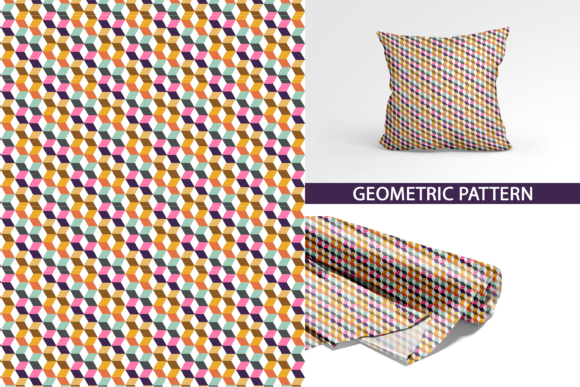
Diamond Patterns: A Comprehensive Evaluation for Designers
In the landscape of digital and print design, geometric motifs remain a cornerstone of visual communication. Among these, diamond patterns have maintained a consistent presence due to their structural versatility and aesthetic appeal. When designers search for resources such as Diamond Patterns, they are often looking for assets that offer more than just a simple shape; they require complex, scalable, and adaptable vector files. The specific collection referenced in this evaluation includes formats like EPS, PNG, and SVG, featuring transparent backgrounds and a high resolution of 300 DPI. This article provides an objective analysis of these assets, exploring their utility, technical specifications, and suitability for various professional applications.
Understanding Diamond Pattern Vector Assets
A diamond pattern is fundamentally a repeating arrangement of rhombus shapes. While the concept is geometrically simple, the execution can vary significantly from basic line art to intricate mosaic textures. The asset set described here represents a comprehensive solution for creating seamless designs. By offering multiple file formats, including EPS (Encapsulated PostScript), SVG (Scalable Vector Graphics), and PNG (Portable Network Graphics), the collection addresses the diverse needs of different software environments and output mediums.
The inclusion of a transparent background in the raster versions (PNG) is a critical feature for modern workflows. It allows designers to layer the pattern over existing imagery or colors without dealing with unwanted white boxes or masking issues. Furthermore, the vector nature of the EPS and SVG files ensures that the design remains crisp at any scale, from a small mobile icon to a large-scale architectural rendering. The specified resolution of 300 DPI indicates that the assets are optimized for high-quality print production, ensuring that fine lines and gradients do not pixelate when reproduced on paper or fabric.
Reasons for Interest in Geometric Designs
Design professionals often gravitate toward diamond patterns for several strategic reasons. Primarily, the geometry offers a sense of order and structure that can stabilize a chaotic layout. In abstract and modern design contexts, these patterns serve as effective backdrops that add depth without overwhelming the primary content. The repetitive nature of the design makes it ideal for seamless tiling, which is essential for web backgrounds, textile printing, and wallpaper creation.
The monochromatic options, ranging from black and white to gray scales, provide a neutral foundation that supports a wide variety of color palettes. This versatility is particularly valuable in corporate branding where consistency is key. Additionally, the retro and trendy variations allow designers to tap into current aesthetic movements while maintaining a classic geometric integrity. Whether used as a texture for a book cover or a grid for an infographic, the diamond motif adapts easily to the intended message.
Benefits of Using High-Resolution Vector Collections
The decision to utilize a multi-format vector collection brings distinct advantages to the design process. One of the most significant benefits is workflow efficiency. Having all necessary formats—eps, png, and svg—in one package eliminates the need to source individual elements from different vendors or convert files manually, which can introduce quality loss.
- Scalability: Vector files ensure that the line work remains sharp regardless of zoom level, making them perfect for both digital screens and large format prints.
- Print Quality: The 300 DPI specification guarantees that the print output will meet industry standards for brochures, business cards, and packaging.
- Flexibility: Transparent backgrounds allow for non-destructive editing, enabling designers to experiment with overlays and composite images seamlessly.
- Cost-Effectiveness: Access to a library containing ornament, decor, and tile elements in one download reduces the per-unit cost compared to purchasing individual illustrations.
Tradeoffs and Considerations
While the benefits are substantial, there are tradeoffs and considerations that users must evaluate before integrating these assets into a project. The primary limitation lies in the specificity of the design. A pre-made diamond pattern may not perfectly align with a brand's unique identity if the style does not match the desired aesthetic. For instance, if a project requires a highly organic or hand-drawn look, a rigid geometric vector might feel too sterile or artificial.
Another consideration is the complexity of customization. While vector files are editable, modifying a complex mosaic or gradient pattern requires proficiency in software like Adobe Illustrator. Users unfamiliar with path manipulation or gradient meshes may find it difficult to alter the structure of the design to fit their specific needs. Additionally, reliance on standard patterns can lead to generic-looking results if not combined creatively with other elements. There is also the risk of overuse; because diamond patterns are popular, they can appear cliché if not applied with a fresh conceptual approach.
Situations Where Diamond Patterns Are a Strong Fit
Certain scenarios make diamond patterns an ideal choice. They are particularly effective in textile and fabric design, where the repetition creates a cohesive look across large surfaces. In web design, these patterns serve as excellent backdrop solutions for sections requiring visual interest without distracting from the text. The simple yet creative nature of the design makes it suitable for card templates, invitations, and event decorations.
Furthermore, in graphic design projects focusing on concept art or data visualization, the grid and triangle aspects of the diamond shape help organize information logically. The monochrome and black options are especially useful for creating high-contrast materials where readability is paramount. For paper crafts and decoration projects, the 300 DPI resolution ensures that cutting machines and printers produce clean edges.
When Alternatives May Be Worth Considering
There are situations where alternative design approaches might be more appropriate. If the goal is to create a completely unique, bespoke illustration, using a pre-made template or element may limit creative expression. Projects requiring a soft, ethereal, or natural aesthetic might benefit more from organic shapes, watercolor textures, or floral motifs rather than the hard lines of a rhombus grid.
Additionally, for projects with strict accessibility requirements, complex patterned backgrounds can sometimes interfere with text legibility for users with visual impairments. In such cases, solid colors or very subtle textures are safer choices. If the budget allows and time permits, commissioning a custom vector artist to create a style that matches the brand exactly may yield better long-term results than adapting a generic art asset.
Practical Decision-Making Insights
To determine whether this collection of Diamond Patterns aligns with your goals, start by auditing your current project requirements. Ask yourself if you need a seamless repeat capable of covering large areas or if you only need a few isolated shapes. Evaluate your technical capabilities; if you are comfortable manipulating vectors, the included EPS and SVG files offer immense value. However, if you primarily work with raster-based tools, the PNG files with transparent backgrounds will be your primary resource.
Consider the end-use medium. For digital applications where file size matters, SVG is superior. For print media, the 300 DPI PNG and EPS files are essential. Finally, review the aesthetic direction. Does the retro or modern vibe of the provided patterns complement your brand? If the answer is yes, these assets represent a practical and efficient addition to your toolkit. By understanding the strengths and limitations of these geometric resources, designers can make informed decisions that enhance the quality and professionalism of their final output.