Blood Drop Donor Vector: A Comprehensive Evaluation for Designers
In the realm of digital illustration and graphic design, visual assets often need to convey complex emotions or specific thematic elements with clarity. The Blood Drop Donor Vector is a specialized asset that has gained attention among creators looking to integrate symbolic imagery into their projects. This article provides an objective evaluation of this vector resource, exploring its characteristics, potential applications, and the tradeoffs involved in selecting it for various design contexts.
Understanding the Asset
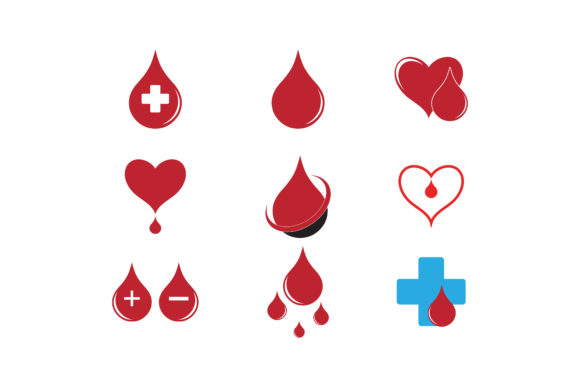
The term Blood Drop Donor Vector refers to a scalable digital graphic designed to represent a drop of blood, typically associated with medical donation, charity, or themes of sacrifice and life. Unlike raster images, which are pixel-based and lose quality when resized, vectors utilize mathematical equations to define shapes. This allows the image to be scaled from a small icon on a mobile screen to a massive banner without any loss of sharpness or detail.
These assets are rarely just simple red teardrops. Modern iterations often incorporate intricate details such as:
- Textural Elements: Many versions include grunge, rough, or aged textures to simulate organic imperfections, making the drop look like it was painted with real ink or water.
- Decorative Borders: Some designs feature antique or vintage framing, turning the drop into a badge or seal suitable for certificates or official documents.
- Artistic Styles: Variations exist ranging from clean, minimalist aquarelle (watercolor) styles to bold, high-contrast retro illustrations that utilize gradient fills and paint splashes.
Why Designers Seek This Resource
Creators often search for specific vector assets to solve immediate visual communication problems. Interest in the Blood Drop Donor Vector usually stems from a need to address topics related to health, community support, or emotional storytelling.
Situations where this asset is a strong fit:
- Medical and Charity Campaigns: Organizations promoting blood drives require imagery that is instantly recognizable yet dignified. A high-quality vector ensures the symbol remains clear across all marketing materials, from postcard flyers to large canvas prints.
- Holiday and Seasonal Themes: While primarily associated with health, the aesthetic of a red drop can be adapted for Valentine's Day or New Year celebrations when paired with hearts and love motifs. The liquid nature of the drop allows for creative integration into celebration graphics.
- Editorial and Blog Illustrations: Writers discussing health topics often need visuals to break up text. A manuscript style or parchment scroll background combined with a blood drop can create a sophisticated, old-world feel that contrasts well with modern typography.
Benefits of Using Vector Assets
The decision to use a vector format over a raster image offers several practical advantages. The primary benefit is scalability. Whether the final output is a tiny favicon or a large-scale backdrop for a website header, the Blood Drop Donor Vector maintains its integrity. This flexibility reduces the need to purchase multiple versions of an image for different resolutions.
Additionally, vectors offer superior editability. Designers can easily adjust the color palette to match a brand's identity, changing a standard red to a colorful gradient or a muted antique tone. The ability to manipulate individual anchor points allows for customization of the shape, ensuring the asset fits perfectly within a specific space or layout.
Considerations and Tradeoffs
While the benefits are significant, there are considerations to keep in mind before integrating this asset into a project. Not every design brief requires a grunge or stain effect. Sometimes, a clean, flat design is more appropriate. If a designer selects a version with excessive texture, such as heavy canvas texture or paint splashes, it may clutter a minimalist interface or reduce readability.
Another factor is file complexity. Highly detailed vectors with thousands of anchor points can sometimes slow down software performance during editing. Furthermore, if the vector is not properly structured, converting it to other formats for web use might result in larger file sizes than necessary, impacting page load speeds.
Evaluating Alternatives
Depending on the specific goals of a project, alternatives to the Blood Drop Donor Vector may be worth considering. For instance, if the goal is to create a highly realistic, photorealistic representation of a biological fluid, a high-resolution photograph might be more effective than a stylized vector illustration.
For projects requiring a more abstract or conceptual approach, designers might opt for geometric shapes or blob forms that suggest the concept of a drop without depicting it literally. In cases where the theme is strictly festive, such as Christmas or holiday decorations, generic decoration icons might provide better thematic alignment than a medical symbol.
Practical Decision-Making Insights
To determine whether the Blood Drop Donor Vector aligns with your needs, consider the following questions regarding your project requirements:
What is the intended medium? If the design will be printed on physical materials like parchment scrolls or cover art, the vector's crisp edges are essential. For digital-only use, ensure the file size is optimized.
What is the desired mood? Does the project require a sense of urgency and seriousness (medical context), or should it feel warm and artistic? A watercolor style drop might suit a creative blog post, whereas a solid, bold drop is better for an emergency alert system.
How much customization is needed? If you plan to modify the lettering or add custom decorative elements around the drop, ensure the vector layers are organized and editable. Complex gradients or blot effects can sometimes be difficult to recolor without affecting the overall look.
Conclusion
The Blood Drop Donor Vector represents a versatile tool in the graphic designer's arsenal. Its ability to convey themes of generosity, life, and health makes it a valuable asset for a wide range of applications. By understanding the balance between its artistic features—such as ink textures and liquid dynamics—and its technical capabilities, designers can make informed decisions about its usage.
Whether used to create a compelling picture for a charity event, a surface pattern for a material design, or a central element in a retro poster, this asset offers significant potential. However, successful implementation depends on selecting the right variation that matches the specific tone and technical constraints of the project. By weighing the benefits against the tradeoffs and considering alternative approaches, creators can effectively leverage this vector to achieve their visual goals.